LLP Registration in India for Practical and Reliable Business Growth
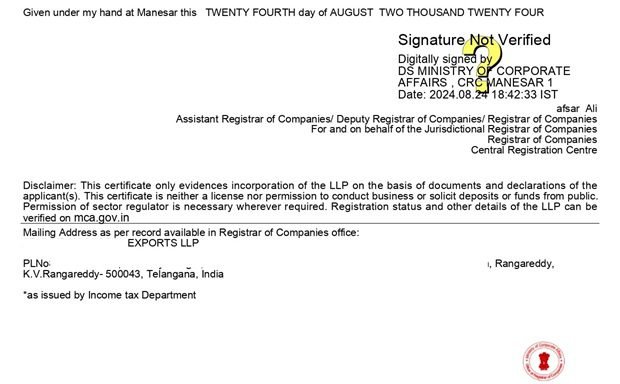
llp registration in India is a sensible option for business founders, professionals, consultants, service providers and small enterprise owners who want a recognised business structure with flexibility and limited liability protection. A Limited Liability Partnership structure blends the operational ease of a partnership with the legal benefits of a recognised business entity. This makes it suitable for people who want to work together under a properly structured model without adopting a complicated corporate setup. With proper llp company registration in India, partners are able to create a formal business identity, set responsibilities clearly, protect personal assets from business liabilities and build trust with clients, vendors and financial institutions.
What LLP Registration in India Means
An LLP works as a business structure where two or more partners collaborate to conduct commercial or professional activities under a formal legal entity. Unlike a normal partnership, an LLP has a separate legal existence from its partners. This means the LLP can own assets, sign contracts, open bank accounts, hire employees and operate business in its own name. At the same time, the partners’ liability is usually limited to their mutually agreed contribution, which helps reduce personal financial risk. This combination of flexibility and protection is one of the primary reasons why llp registration in India has become popular among modern business owners.
Why LLP Is a Preferred Business Structure
Many business owners choose an LLP because it offers a clear and organised method to begin a business with another individual or group of partners. It does not require the same degree of internal complication that some company formats may include, yet it provides better trust value than an unregistered partnership. For consultants, accountants, designers, technology professionals, legal service providers, architects, trainers and agencies, an LLP can be a suitable structure because it allows partners to manage operations through mutual agreement. The LLP agreement can clearly outline profit sharing, duties, decision-making rights, capital contribution and exit terms, helping partners reduce misunderstanding in the future.
Key Benefits of LLP Company Registration in India
One of the biggest benefits of llp company registration in India is limited liability protection. In a traditional partnership, personal assets may be vulnerable if the business faces financial difficulties. In an LLP, partners usually get protection beyond their decided contribution, unless there is fraud, misconduct or wrongful conduct. Another important feature is a separate legal identity, which allows the business to remain active even if partners are changed. LLPs also provide better credibility while interacting with clients, suppliers and financial institutions. A registered LLP appears more organised and trustworthy than an unregistered business arrangement, which can help during client onboarding, vendor negotiations and business expansion.
Who Should Consider LLP Registration
LLP registration is suitable for start-ups, professional firms, small service businesses, family-run ventures, freelancers working together, trading firms and businesses that want legal recognition without excessive compliance pressure. It is especially suitable when two or more people want to work together and clearly define ownership and responsibilities. Businesses that are not planning to raise large equity investment immediately may find LLP registration more convenient. For consultancy practices, service-based businesses, digital agencies, training firms, accounting practices and small enterprises, an LLP can provide a reliable and professional foundation.
LLP Registration Process
The process of llp registration in India generally starts with choosing a suitable business name. The name should be unique, relevant to the business activity and compliant with naming rules. After that, designated partners need digital authorisation llp company registration in India for filing documents electronically. The proposed LLP must have at least two designated partners, and required identity and address documents are needed. Once the name is cleared, incorporation documents are prepared and submitted with partner information, registered office details and business activity information. After approval, the LLP receives incorporation recognition and can commence operations as a recognised legal entity.
Importance of the LLP Agreement
The LLP agreement is one of the most important documents after registration. It sets the relationship between partners and the internal management rules of the business. A well-drafted agreement can include details such as capital contribution, profit sharing ratio, partner duties, voting rights, admission of new partners, resignation process, dispute handling and business management rules. Without a clear agreement, misunderstandings may arise when the business grows or faces challenges. This is why every LLP should give proper attention to drafting an agreement that matches the expectations and responsibilities of all partners.
Documents Needed for LLP Registration
The documents required for LLP registration usually include identity documents, address proof and photographs of the partners. Proof of registered office is also required, along with owner approval or rental documents where applicable. The exact documentation may differ based on the partners, business location and nature of the premises. Having proper documents helps prevent delays during registration. Business owners should ensure that names, addresses and supporting details match official records. Clean documentation creates a better registration experience and lowers the possibility of correction requests.
LLP Registration for Start-Ups and Small Businesses
For new ventures and small businesses, LLP registration can be a cost-effective and reliable way to begin. Many new businesses need a recognised structure to open a current account, sign contracts, issue invoices and build professional credibility. An LLP allows founders to work under a recognised identity while allowing internal operations to remain flexible. Since the structure is partner-driven, decision-making can remain simple if the agreement is carefully planned. This makes LLPs useful for new businesses that want legal identity, but do not require a highly complex corporate framework from the beginning.
Post-Registration Compliance for LLPs
After registration, an LLP must maintain organised records and finish required filings within the prescribed timelines. Compliance may include annual filings, financial statements, income reporting and updates for changes in partners or registered office. Even though LLP compliance is generally considered simpler than some other business structures, it should not be ignored. Timely compliance helps maintain active status, protect business credibility and avoid penalties. Responsible record-keeping also helps partners review business performance, manage taxation and plan future growth.
How LLP Registration Improves Business Credibility
A registered LLP creates a stronger impression in the market. Clients often feel more comfortable working with businesses that have a recognised identity, proper documentation and clear responsibility. Vendors and service partners may also find it easier to deal with an LLP because the business has proper records and formal recognition. For professional firms, credibility is especially valuable because clients depend on trust, consistency and accountability. LLP company registration in India helps create that foundation by giving the business a formal name and operational structure.
Choosing the Right Business Structure
Before registering an LLP, business owners should check whether this structure matches their goals. An LLP is useful for businesses that value flexibility, joint ownership and limited liability. However, every business has unique needs based on scale, funding goals, ownership model and expansion plans. Some businesses may prefer a company structure, while others may find LLP registration more suitable. The decision should be based on the founder count, business activity, expected growth, compliance capacity and financial planning. Choosing the right structure at the beginning can help avoid unnecessary effort later.
Conclusion
llp registration in india offers a balanced and practical business structure for entrepreneurs and professionals who want formal recognition, operational flexibility and limited liability protection. It helps partners operate together under a clear framework while creating a separate identity for the business. From business credibility and asset protection to defined partner responsibilities and easier management, an LLP can support steady business growth. With proper planning, accurate documentation and a well-drafted agreement, llp company registration in India can become a solid base for creating a trusted, organised and future-ready business.